Extreme weather impacts individuals without shelter
By Nicole Tutino
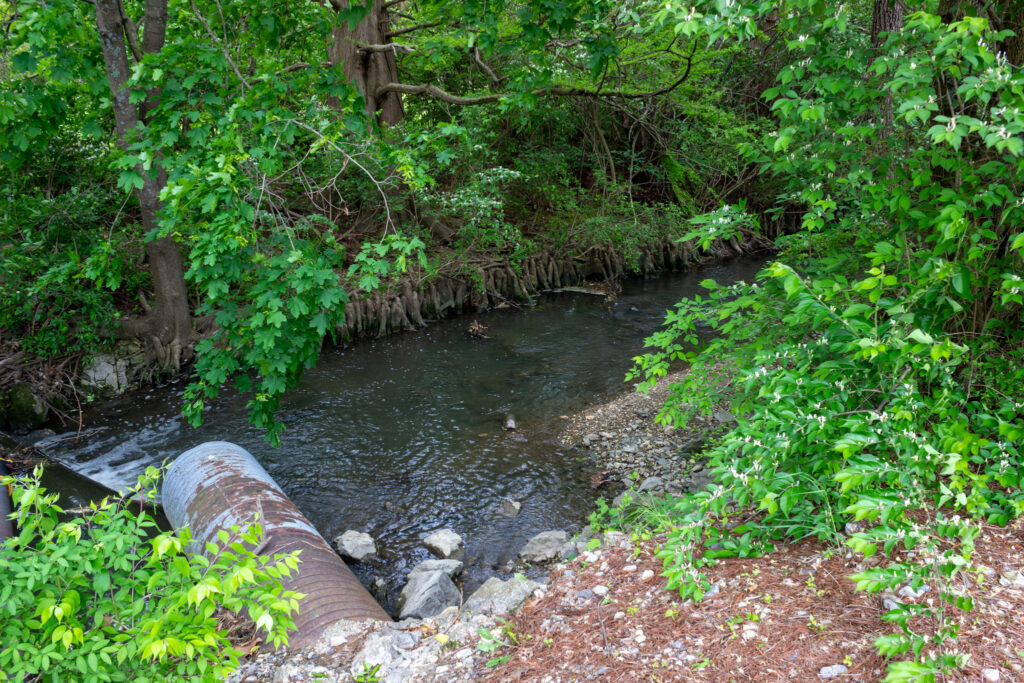
Because individuals experiencing unsheltered homelessness reside outside, weather conditions become a concern.
The Blue Ridge Continuum of Care’s 2022 Point-in-Time (PIT) Report discovered an approximate 216% increase in unsheltered homelessness from 2021 to 2022 for the counties of Allegheny, Roanoke, Botetourt and Craig and the cities of Roanoke, Covington and Salem.
The PIT Count allows the organization to understand the state of both homelessness and unsheltered homelessness in the service area.
“The Blue Ridge Continuum of Care is essentially a planning group that’s made up of all of our homeless service providers in the community and other stakeholders and community partners,” said Matt Crookshank, human services administrator for the City of Roanoke.
Stephanie Zick, assistant professor in the Department of Geography at Virginia Tech, said more intense rain events are present in Southwest Virginia.
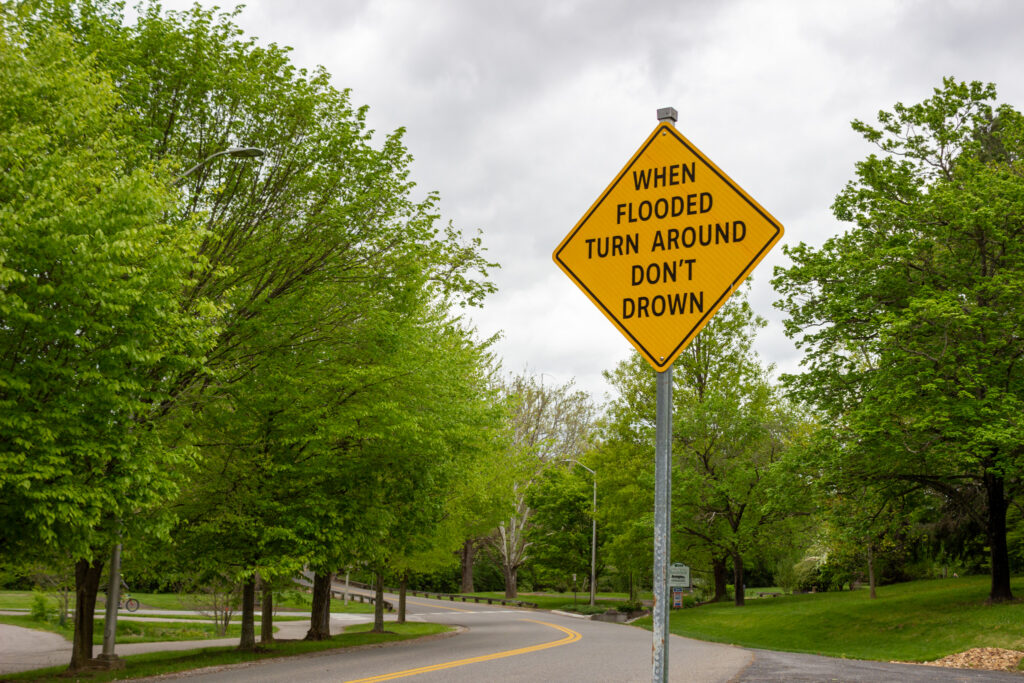
Individuals experiencing unsheltered homelessness may rely on vehicles for shelter. According to the National Weather Service, vehicles can be moved by a “foot of water.”
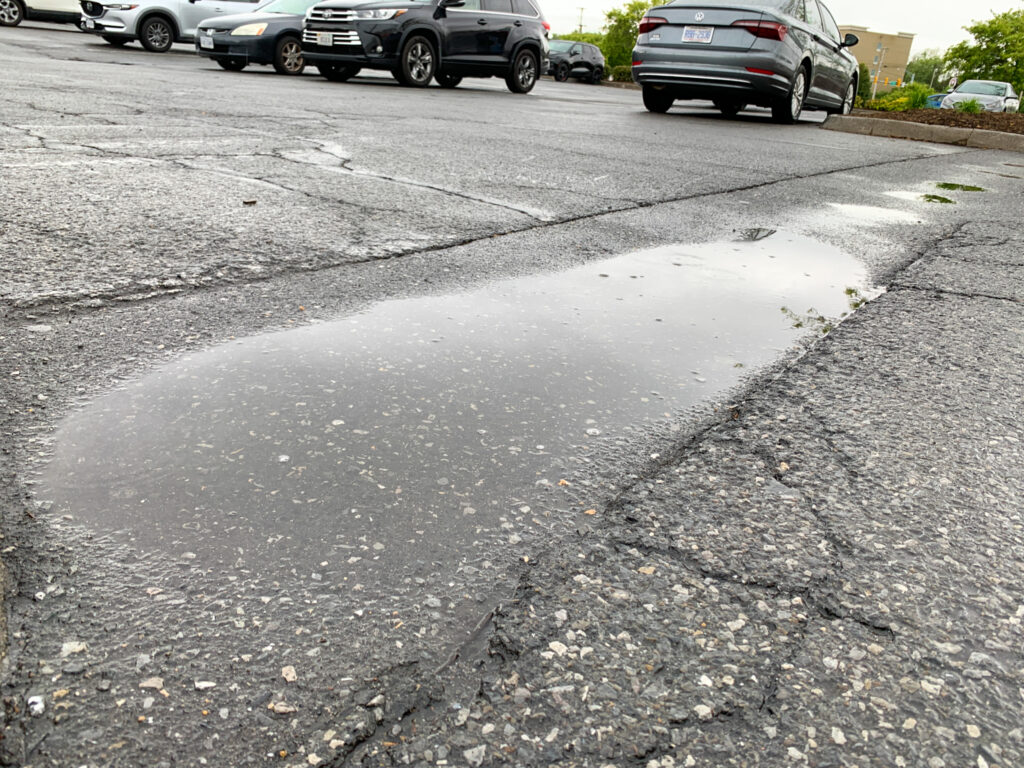
“If you’re outside for long periods of time and you’re wet, that can cause your body temperature to dip below healthy levels,” Zick said.
Roanoke’s Homeless Assistance Team (HAT) performs weekly searches in the community to provide assistance to those experiencing homelessness. Crookshank oversees the team and coordinates with the city’s Emergency Management Department during extreme weather conditions.
“When we have unexpected or inclement weather forecasted or severe storms, we’ll target outreach specifically to areas that may be impacted,” Crookshank said.
Due to the increase in unsheltered homelessness, Crookshank notes city funding allowed HAT to hire two additional caseworkers.
According to the Blue Ridge Continuum of Care, 91 individuals were without shelter in the organization’s service area on July 20, 2022.
Zick classifies extreme heat as about 90 degrees Fahrenheit in Southwest Virginia. Because the temperatures at night remain warm, Zick said an individual’s body temperature may not lower. In the future, Zick expects more frequent heat waves due to climate change.
Brian Burnette, director of homeless services for the Council of Community Services in Roanoke, explained providers tend to distribute sunscreen and umbrellas in response to heatstroke concerns. Burnette said some shelters offer cooling stations, where individuals experiencing homelessness can spend time inside.
Because Southwest Virginia is located at a high elevation, Zick mentioned high winds are a concern. According to NYC311, individuals without housing may reside in encampments, such as tents. Burnette says high winds can damage campsites, so HAT provides tents.
“There are some encampments close to the Roanoke River and some of the other creeks and the greenways, so flooding can be an issue for some of those campsites,” Burnette said.
During winter, Burnette said the Rescue Mission of Roanoke creates additional space through their cold center when the temperature falls below 42 degrees Fahrenheit. Burnette said limited qualifications exist for emergency shelter at the organization, and most individuals experiencing homelessness will receive access to shelter.
“We have really cold nights,” Crookshank said. “It can be deadly for people that are outside that have no way to stay warm, so we take our work seriously in extreme weather and try to encourage folks to go into shelter.”
The Community Housing Resource Center in Roanoke offers a rapid re-housing program providing temporary housing assistance.
Crookshank notes homelessness overall in the region has been decreasing since 2012 and associates the increase in unsheltered homelessness with the COVID-19 pandemic’s effects on substance use, health concerns and housing costs.
Crookshank said recent funding dedicates about $7.5 million to develop affordable housing.
The winter 2023 PIT Count releases in May.
