Food assistance at Virginia Tech
By: Golder Baah
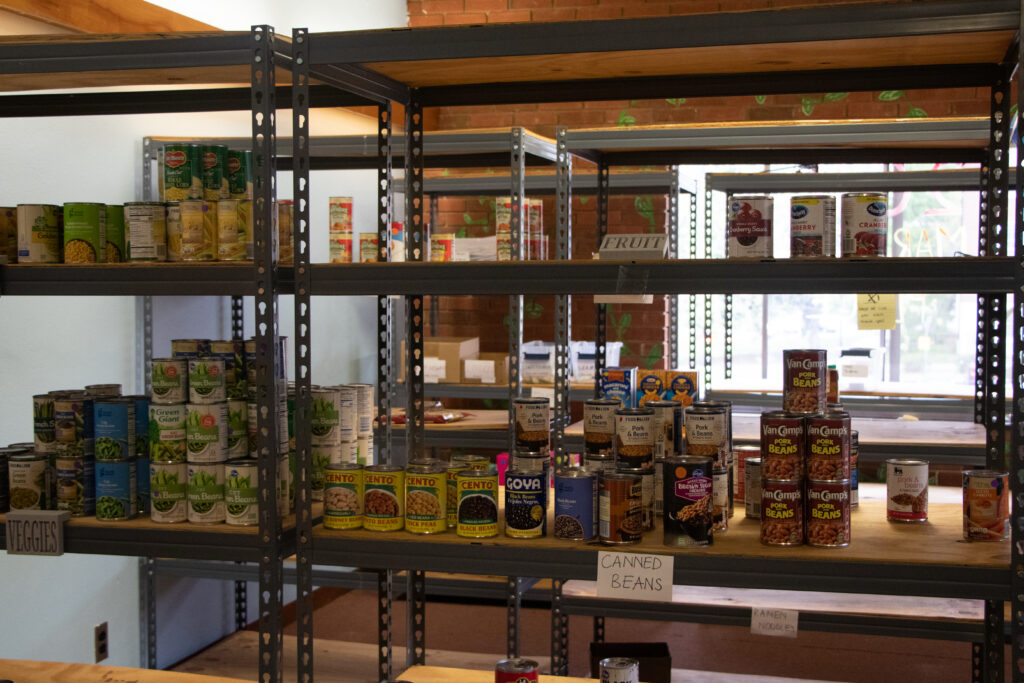
In 2019, Virginia Tech conducted a survey based on the concerns about food insecurity on campus. The study found that 29% of undergraduate and 35% of graduate students experienced food insecurity. Despite this, many Virginia Tech students are unaware of the resources available to them in the area.
Food pantries and student food stamps have helped to bridge the gap for hungry students experiencing food insecurity. One local food pantry, 209 Marketplace, operates on donations and provides emergency supplies such as food, toiletries and school supplies at no cost to Virginia Tech students in need.
“We want students to know that there is a food pantry located just off campus that is eager to provide the resources necessary for them to succeed,” said Evan Gross, the student manager of 209 Marketplace at Virginia Tech.
According to Forbes, “an estimated 40% of U.S. college students experience food insecurity. Food insecurity is a major topic of conversation, especially with the problem growing during the COVID-19 pandemic.”
When the pandemic hit the United States, a federal law was temporarily changed to allow more students to qualify for the Supplemental Nutrition Assistance Program (SNAP). As a result, college students with work-study or a low Expected Family Contribution (EFC) were able to apply for the food stamps program, which remains active today.
“Thank God for food stamps because it has been life changing for me! Since I don’t live on campus I don’t have a meal plan, which sometimes means less quality and healthy foods. Having food stamps has allowed me to not just eat ramen as a broke college student,” said Daisy Brooks a student at Virginia Tech.
Despite the availability of resources like food pantries and food stamps, many college students are not aware of what is available to them in times of need. “We sometimes face challenges in getting the word out about our food pantry to students both on and off campus,” explained Gross.
“I’ve been living off campus for almost two years now, and I only found out about food stamps during my last semester as a senior,” said Brooks. “I wish I had known about it sooner, because it would have helped me during the days when I was worried about what I was going to eat.”
Brooks believes that sometimes assistance is only spread through word of mouth and not directly, as she only discovered her qualification for food stamps through a friend who suggested that she applied. At first, it was hard for her to apply because she thought that it meant she was living in poverty.
Food insecurity is more common among college students than many realize, and there can be a stigma attached to seeking help through resources like food pantries or food stamps.
According to the Food & Action Center, “Stigma prevents eligible people from accessing government assistance or food pantries out of fear that community members will know they live in poverty and will judge them for it.”
209 Marketplace recognizes the importance of privacy and making people feel comfortable and respected. They strive to create a welcoming environment for everyone who seeks their help. Despite the stigmas that exist around food pantries, 209 Marketplace wants to emphasize that they are there to support anyone in need, regardless of their circumstances.
Gross and Brooks both hope that more students in need will be able to learn about and access available resources. “Help is here,” said Gross. “You don’t need to worry about a thing; we want to help you.”
